


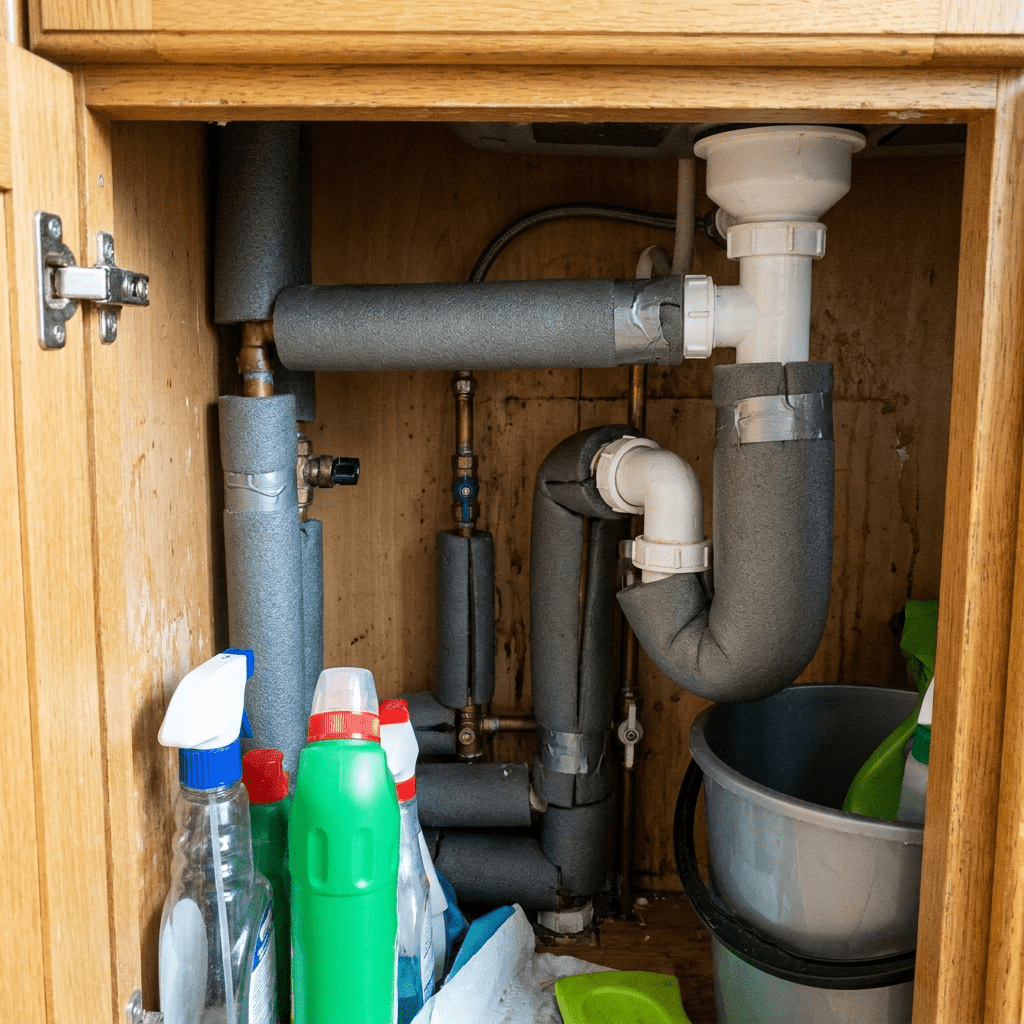
Foam Pipe Insulation for Copper, Plastic & Steel Pipe
Our foam pipe insulation is a closed-cell polyethylene lagging that slips straight over copper, plastic (push-fit and MDPE) and steel pipework to slow heat loss, protect against frost and stop cold pipes sweating. Each length is pre-slit down one side, so you simply open it, press it over the pipe and butt the joints together — no threading, no specialist tools. It's the go-to pipe lagging for plumbers, heating engineers and DIYers because it fits fast, costs little and works across almost every domestic pipe run: central heating flow and return, hot and cold water, condensate and outdoor supply pipes.
Choose Your Pipe Bore (15mm, 22mm, 28mm, 35mm & 42mm)
The bore is the internal size of the foam and matches the outside diameter of your pipe. For standard UK copper and plastic pipe, use 15mm for most water and heating pipes, 22mm for larger heating and mains runs, and 28mm for primary heating pipes and boiler tails. 35mm and 42mm cover larger commercial and heating flow pipes. If you're unsure, measure the outside diameter of your pipe and match it to the bore — the foam should be a snug push-fit, not stretched. Working on a bigger build? Browse our full range of steel tube & pipe for the pipework itself.
Wall Thickness: 9mm, 13mm, 19mm & 25mm
Wall thickness is what does the insulating — the thicker the wall, the better the frost protection and energy saving. As a rule of thumb: 9mm suits internal condensation control and light frost protection; 13mm is the popular all-rounder for central heating pipe insulation and everyday energy saving; 19mm steps up thermal performance for colder spots and helps meet Building Regulations Part L on heating pipework; and 25mm gives maximum protection for exposed, external and severe-frost locations such as lofts, garages and outbuildings. 9mm and 13mm are available across every bore; 19mm and 25mm are stocked on 15mm, 22mm and 28mm bore. For loft, roof and wall build-ups, pair it with our roofing & insulation materials.
Frost Protection & Energy Saving
Uninsulated pipes lose heat and are the first to freeze and burst in a cold snap. Lagging the pipes that feed your radiators and hot-water system keeps the heat in the water instead of the cupboard, so your heating reaches temperature faster and holds it longer — a low-cost win on running costs. On cold-water and mains pipes in exposed positions, thicker-wall foam pipe insulation slows the rate the water can chill, buying you protection through the worst of a UK winter. For fully external or exposed runs, over-wrap the fitted foam with weatherproof tape or a UV-stable outer to protect the polyethylene from sunlight.
How to Fit Foam Pipe Lagging
Wipe the pipe clean, open the pre-slit foam and press it over the pipe. Cut to length with a sharp knife or scissors, mitre the ends at 45° for tidy bends and elbows, and seal every joint and slit with insulation tape to lock the heat in. Butt lengths tightly end-to-end so there are no cold gaps. On outdoor and loft pipework, pay extra attention to bends, valves and tap connections — these are the points most likely to freeze.
Sold in 10m to 100m Rolls
Every size is supplied as a continuous roll, from a handy 10-metre length up to a 100-metre bulk run for whole-property and trade jobs, with free UK delivery on every order. Choose your bore, wall thickness and roll length above — the foam arrives ready to cut down and fit on site.
Related at Rackerman
Kit out the rest of the job from one place: roofing & insulation materials for lofts, roofs and walls; designer & traditional radiators to upgrade the heat output; and our steel tube & pipe range for structural and plumbing runs.