
Collection: Stainless Steel Handrail Components

-
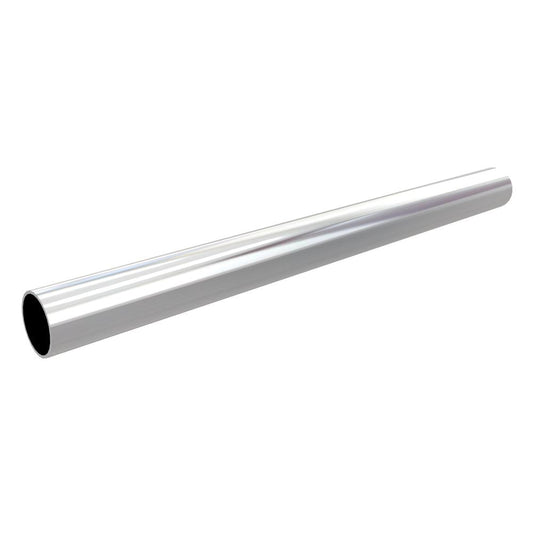
Stainless Steel Handrail Tube – 316 Marine Grade Round Tube for Stainless Steel Handrail & Glass Balustrade Systems
Regular price From £10.99 GBPRegular priceUnit price £25.66/m -
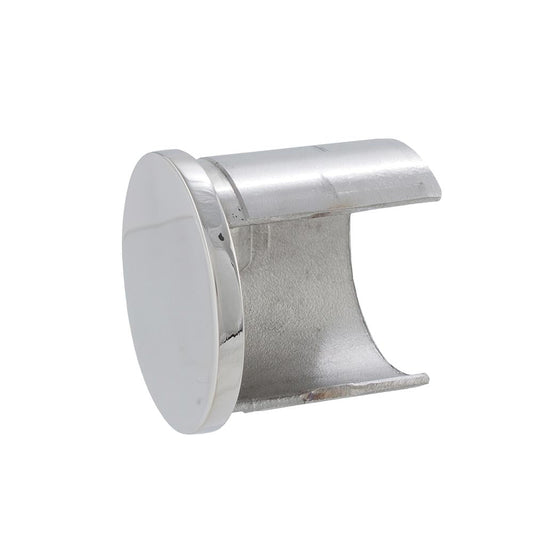
Stainless Steel Handrail End Caps – 316 Marine Grade Tube End Caps for Stainless Steel Handrail & Balustrade Tube
Regular price From £5.99 GBPRegular price -
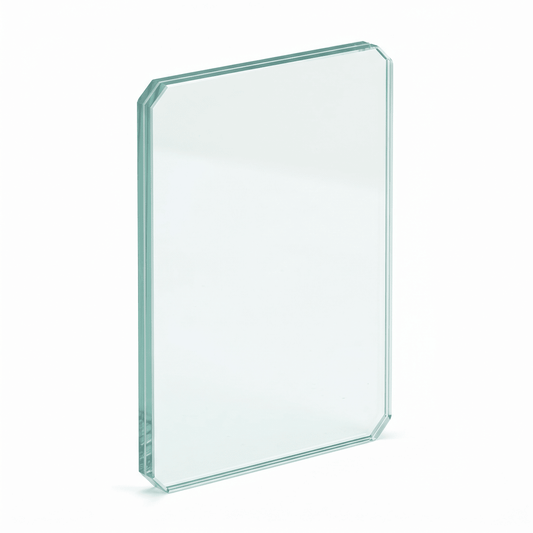
17.5mm Toughened Laminated Glass Panels – 1087mm High Balustrade Infill, Frameless Glass Balustrade for Stairs & Balconies
Regular price From £130.00 GBPRegular price -
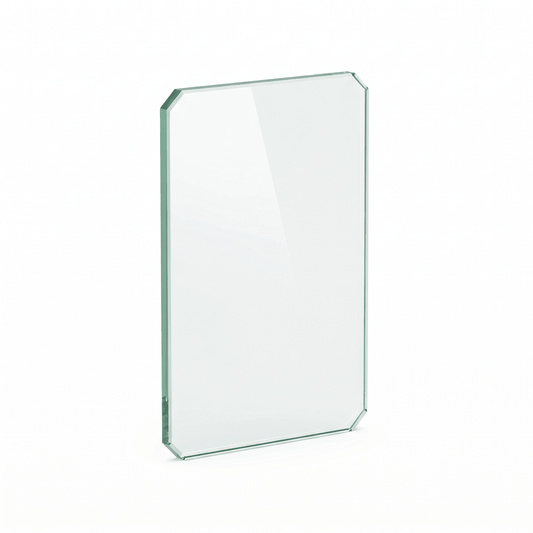
10mm Toughened Glass Panels – Clear Safety Glass Stock Sizes, Toughened Glass for Balustrades, Shelves, Tables & Splashbacks
Regular price From £32.00 GBPRegular price -
Stainless Steel Handrail Posts – 304 Satin Balustrade Posts & Uprights for Stainless Steel Handrail & Glass Balustrade
Regular price From £64.99 GBPRegular price -
Stainless Steel Handrail Posts – 316 Satin Marine Grade Balustrade Posts & Uprights for Handrail & Glass Balustrade
Regular price From £50.99 GBPRegular price -
Stainless Steel Handrail Posts – 316 Mirror Polish Balustrade Posts & Uprights for Handrail & Glass Balustrade
Regular price From £64.99 GBPRegular price -
21.5mm Toughened Laminated Glass Panels – Heavy-Duty Balustrade Infill, Frameless Glass Balustrade for Stairs, Balconies & Decking
Regular price From £140.00 GBPRegular price -
15mm Toughened Glass Panel – Clear Float Safety Glass to BS EN 12150, Toughened Glass for Balustrades, Balconies & Partitions
Regular price From £89.99 GBPRegular price -
12mm Toughened Glass Panels – Balustrade Infill 1087mm High, Frameless Glass Balustrade Panels for Stairs, Balconies & Decking
Regular price From £71.00 GBPRegular price -
Stainless Steel Wall Flanges – 316 Marine Grade Handrail Wall Mounts & Base Flanges for Stainless Steel Handrail
Regular price From £10.99 GBPRegular price -
Stainless Steel Saddle Clamps – 316 Marine Grade Tube Saddles for Stainless Steel Handrail & Balustrade Systems
Regular price From £4.99 GBPRegular price -
Stainless Steel Handrail Joiners – 316 Marine Grade Tube Connectors & Sleeves for Stainless Steel Handrail Systems
Regular price From £5.99 GBPRegular price -
Stainless Steel Handrail Brackets – 316 Marine Grade Wall Brackets & Supports for Stainless Steel Handrail & Balustrade
Regular price From £6.99 GBPRegular price -
Stainless Steel Glass Clamps – 316 Marine Grade Glass Balustrade Clamps for Toughened Glass Panels & Balustrades
Regular price From £5.99 GBPRegular price





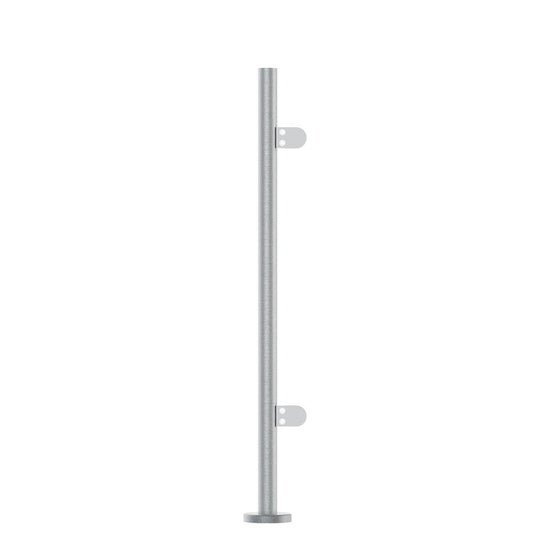

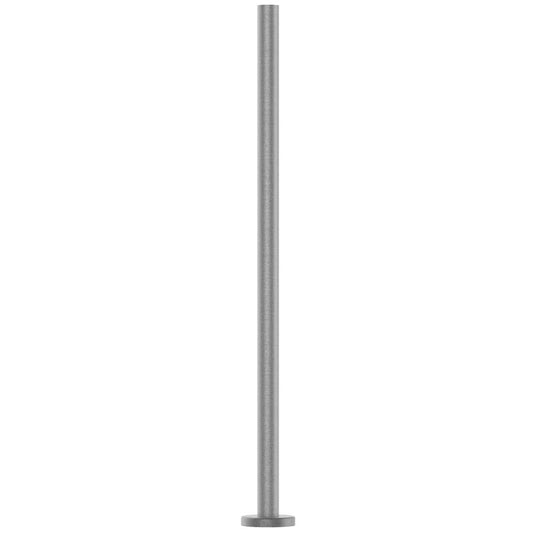

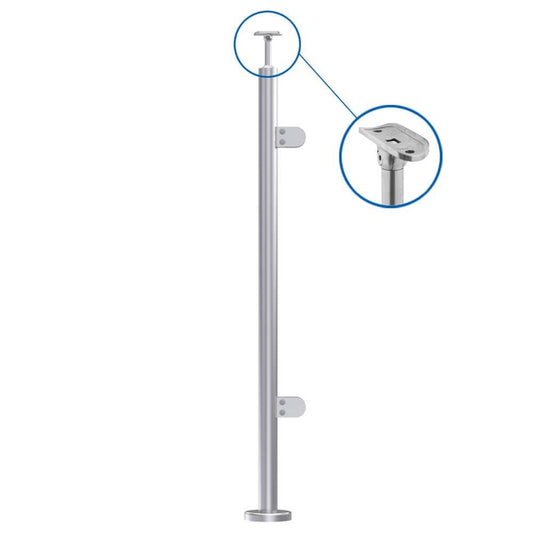

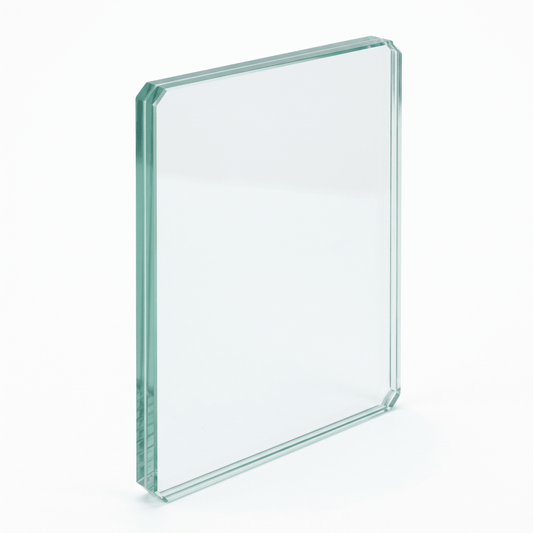





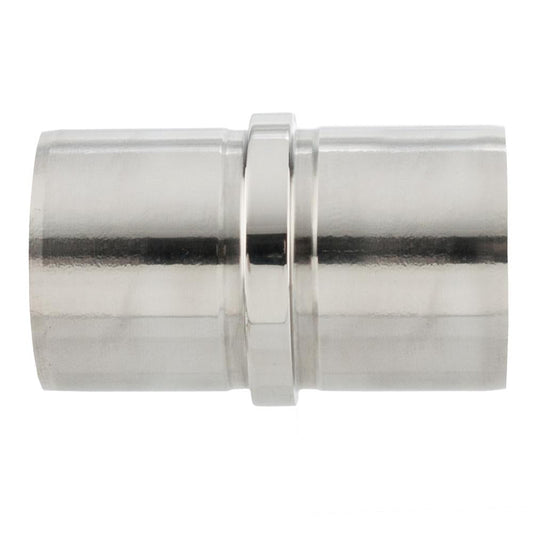

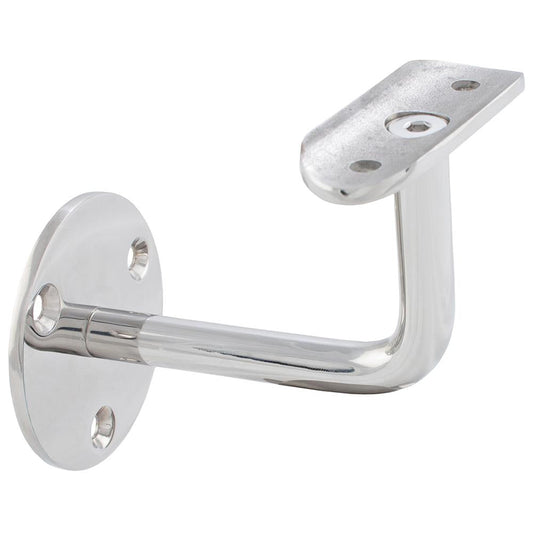

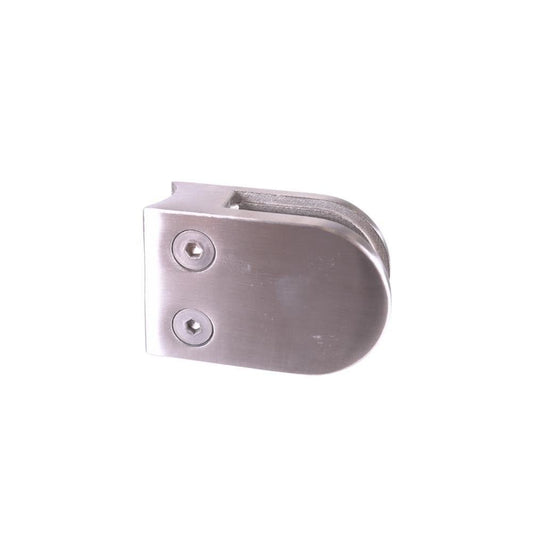
Stainless steel handrail components for building post-and-rail balustrade systems, supplied in 316 marine grade and 304 grade with mirror and satin finishes. The range covers posts, handrail tube, wall flanges, brackets, joiners, end caps, saddle clamps, glass clamps and toughened glass infill panels in 42.4mm and 48.3mm tube sizes, so you can assemble a full run from metalwork through to glazing or replace individual parts on an existing installation.
Post-and-rail systems are used on staircases, landings, balconies, decking, ramps, mezzanines and commercial walkways. Glass clamps allow toughened or laminated glass infill panels to be fixed between posts for a semi-frameless look. All stainless steel components are designed to work together across the range, with matching finishes, grades and tube diameters.
Shop Stainless Steel Handrail Components
Posts — end, mid and corner posts, 42.4mm & 48.3mm:
- 316 satin marine-grade posts — external, coastal & general use
- 316 mirror-polish posts — bright feature finish
- 304 satin posts — budget option for dry indoor use
Tube & fittings — build and finish the rail runs:
- Handrail tube — 42.4mm & 48.3mm round tube, 1m to 5.8m
- Handrail joiners — inline connectors, elbows & corners
- Handrail brackets — wall brackets & supports for mounted rails
- Wall flanges — wall and floor mounts for tube
- End caps — raised, flat, dome & plug-fit tube caps
- Saddle clamps — tube saddles & spigot fittings
Glass clamps & infill — for a semi-frameless glass balustrade:
- Stainless steel glass clamps — round & square, for 6–12mm glass
- 10mm, 12mm & 15mm toughened and 17.5mm / 21.5mm laminated glass panels
Looking for a channel-fixed, post-free glass barrier instead? See our frameless glass balustrade range, or browse all toughened glass panels.
How a Post-and-Rail System Works
A post-and-rail balustrade is built from vertical posts fixed at intervals along the run, with horizontal handrail tube spanning between them. End posts sit at each end, mid posts at intermediate support points, and corner posts where the run changes direction. The posts are bolted down to the floor, deck or slab, and the handrail tube connects to the top of each post using joiners, elbows or adjustable fittings. Infill between the posts can be horizontal wire, vertical bars, or toughened glass panels held with glass clamps. Wall-mounted handrails use brackets and flanges instead of free-standing posts.
Component Types in the Range
Nine component types cover everything needed for a full installation, from structural posts through to glazing:
- Handrail Posts — end, mid and corner posts in 42.4mm and 48.3mm diameters, 978mm and 1100mm heights, with bolt-down, welded base and plain-top options
- Handrail Tube — round tube in 42.4mm and 48.3mm diameters, supplied in lengths from 1m to 5.8m with 1.5mm and 2mm wall thicknesses
- Handrail Joiners — inline connectors, 90-degree elbows, horizontal and vertical corners, adjustable elbows and three-way junctions
- Wall Flanges — external-fit, weld-on and split-tube flanges for mounting tube to walls and floors
- Handrail Brackets — offset saddle brackets and countersunk wall brackets for wall-mounted runs
- End Caps — raised, flat, dome and plug-fit caps to close tube ends, with hammer-fit and glue-fit options
- Saddle Clamps — fixed and adjustable spigot saddles, floor-mounting brackets and top-spigot fittings for securing tube to posts and other components
- Glass Clamps — round and square clamps for tube-mounted and flat-back applications, accepting 6mm, 8mm, 10mm and 12mm glass
- Toughened Glass Panels — monolithic toughened (10mm, 12mm, 15mm) and toughened laminated (17.5mm, 21.5mm) infill panels in stock sizes for balustrade and glazing applications
Steel Grades — 316 Marine vs 304
Two grades of stainless steel are available across the range. Grade 316 (EN 1.4401) contains molybdenum, which gives it significantly better resistance to chloride corrosion — salt spray, coastal air, swimming pool environments and chemical exposure. It is the standard specification for external balustrade, coastal installations, marine work and any location where salt or chemicals are present. Grade 304 (EN 1.4301) is the general-purpose stainless steel, with good corrosion resistance for dry indoor environments, covered walkways and sheltered external positions away from the coast. The 304 range is available in satin finish only and is priced lower than equivalent 316 components.
Finishes — Mirror and Satin
Mirror finish is a high-polish surface that gives a bright, reflective look. It is popular on feature staircases, reception areas and any installation where the visual impact of the metalwork matters. It shows fingerprints and water marks more than satin, so it needs more frequent cleaning in high-traffic areas. Satin finish has a directional brushed grain that gives a softer, less reflective appearance. It hides fingerprints and minor surface marks better than mirror and is the more practical choice for external work, busy commercial areas and any location where cleaning frequency matters. Both finishes are available in 316 grade. The 304 grade range is satin only.
Handrail Posts
Posts are the structural anchors of the system. Three types are available: end posts (at the start and finish of a run), mid posts (at intermediate support points along the run) and corner posts (where the run turns through 90 degrees). The standard height is 978mm for 42.4mm posts and 972mm for 48.3mm posts, which gives a finished barrier height of approximately 900mm above the mounting surface — the minimum for domestic stairs and landings under Approved Document K. A 1100mm post height is available for locations that require the taller barrier, such as balconies and edges of internal floors. Fixing options include bolt-down with a welded base plate and plain-top for site welding or fitting a separate cap. Posts are supplied with pre-drilled tube crossover holes where applicable.
Handrail Tube
Tube is supplied in stock lengths of 1m, 1.2m, 1.5m, 2m, 3m and 5.8m in both 42.4mm and 48.3mm outside diameters, with wall thicknesses of 1.5mm and 2mm. The 2mm wall is the standard for structural handrail work. Split tube (with a longitudinal slot) is available in some lengths for wire-rope threading or ease of internal access. A specialist 12mm diameter tube at 1mm wall is also stocked for secondary rail and decorative detail work. Tube can be trimmed to length on site with a stainless-steel cutting disc; use a deburring tool on the cut end before fitting caps or connectors.
Fittings — Wall Flanges, Brackets, Joiners, End Caps and Saddle Clamps
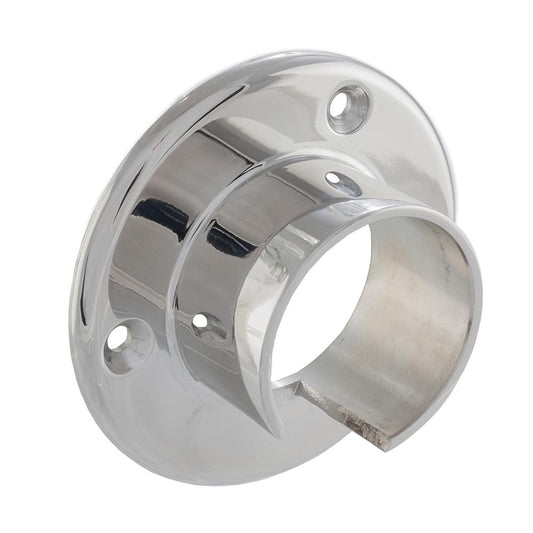
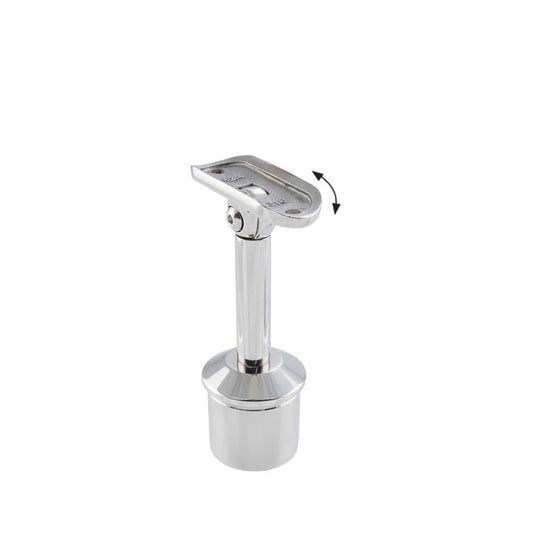
Fittings connect, support and finish the tube runs. Wall flanges mount tube to walls and floors — external-fit flanges slip over the tube end, weld-on flanges are for permanent fabricated joints, and split-tube flanges allow the tube to be fitted after the flange is fixed. Handrail brackets hold a wall-mounted rail at an offset from the wall surface, with saddle and countersunk-hole options. Joiners connect tube lengths in-line and at corners — inline connectors for straight runs, 90-degree elbows for stair pitches, horizontal corners for direction changes, and adjustable elbows for non-standard angles. End caps close off the tube ends in raised, flat, dome or plug-fit profiles, with hammer-fit and glue-fit fixing depending on the style. Saddle clamps secure tube to post tops and connect rails to other structural elements, with fixed and adjustable spigot options.
Glass Clamps and Glass Infill Panels
Glass clamps allow toughened or laminated glass to be fixed between posts for a semi-frameless balustrade. Clamps are available for 6mm, 8mm, 10mm and 12mm glass in round and square profiles. Tube-mounted clamps fit directly onto the post tube (42.4mm or 48.3mm), while flat-back clamps fix to flat surfaces such as walls or steel plate. Rubber gaskets inside the clamp grip the glass without metal-to-glass contact.
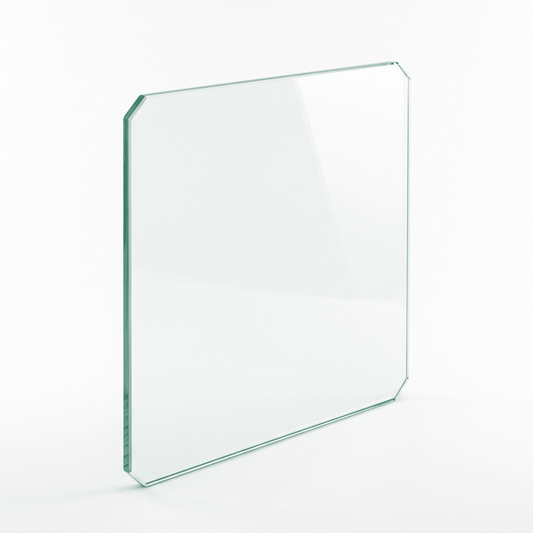
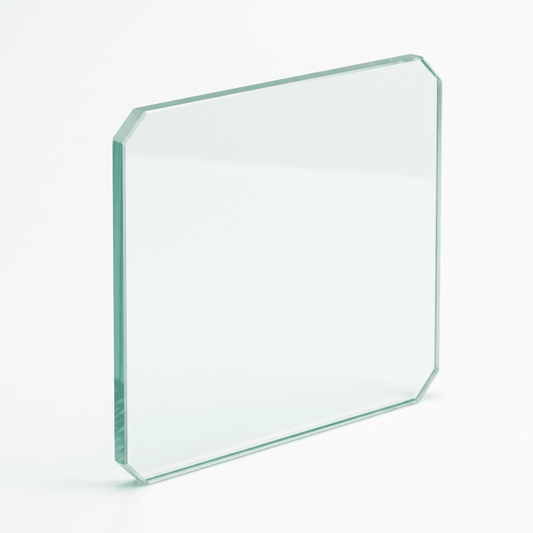
The collection includes toughened glass panels to pair with the clamps. Monolithic toughened panels are available in 10mm, 12mm and 15mm thicknesses, with the 12mm panels supplied at 1087mm high specifically for balustrade infill. Toughened laminated panels are available in 17.5mm and 21.5mm makeup for applications where the glass must act as a barrier element under higher loadings. All panels are manufactured to BS EN 12150 (toughened) or BS EN 14449 (laminated) with impact classification to BS EN 12600. Toughened glass cannot be cut, drilled or notched after manufacture — all sizing is completed before the glass is tempered, so non-stock sizes are made to order.
Under BS 6180, where the glass is the sole means of containment with no continuous handrail capable of retaining people if the glass fails, laminated glass should be used. In a post-and-rail system with a continuous top handrail, monolithic toughened glass may be acceptable as the infill, but this should be confirmed against BS 6180 for the specific application and loading.
Barrier Heights and Building Regulations
Finished barrier height is set by Building Regulations, not preference. Under Approved Document K the usual minimums are 900mm for stairs and landings in dwellings and 1100mm for balconies and the edges of internal floors. The 978mm posts give a finished height of approximately 900mm above the mounting surface (suitable for domestic stairs), while the 1100mm posts cover the taller balcony requirement. Heights vary by building type and use — always confirm against the current Approved Document K and BS 6180 with your building control body before ordering.
Tube Diameters — 42.4mm vs 48.3mm
The two diameters suit different scales of installation. 42.4mm is the standard domestic and light commercial handrail size — it sits comfortably in the hand and suits most residential staircases, balconies and decking. 48.3mm is the larger option for heavier-duty commercial work, longer unsupported spans and applications where a visually bolder rail is wanted. Posts, tube, fittings and glass clamps are all available in both diameters, but the two sizes are not interchangeable — all components in a run must match.
Care and Maintenance
Stainless steel is low-maintenance but not zero-maintenance. In coastal or polluted environments, salt and contaminant deposits should be washed off regularly with warm soapy water and a soft cloth to prevent tea-staining (brown surface staining caused by salt sitting on the surface). Mirror finish benefits from a stainless-steel polish after cleaning. Satin finish can be cleaned along the grain direction to avoid cross-grain marks. Avoid abrasive pads, wire wool and chloride-based cleaners — these damage the passive oxide layer that gives stainless steel its corrosion resistance. In marine and coastal locations, 316 grade with regular washing is the minimum specification. Glass infill panels need only routine cleaning with a non-abrasive glass cleaner and a soft cloth.
Bulk Orders
Trade and project pricing is available on multi-post orders, full-system supply including glass, and repeat orders across components and finishes. Contact us with a list of components, quantities and the grade and finish required for a project quote.
Frequently Asked Questions
What is the difference between 316 and 304 stainless steel for handrails?
Grade 316 contains molybdenum, which gives it significantly better resistance to chloride and salt corrosion. It is the standard for external, coastal, marine and swimming-pool installations. Grade 304 is the general-purpose stainless steel, suited to dry indoor environments and sheltered external positions away from the coast. If in doubt, 316 is the safer choice — the cost difference is small relative to the installation.
Should I choose mirror or satin finish?
Mirror gives a bright, reflective surface that suits feature staircases and reception areas but shows fingerprints and water marks. Satin has a brushed grain that hides marks and is more practical for high-traffic, outdoor and commercial use. Both finishes are available in 316 grade. The 304 range is satin only.
Do I need 42.4mm or 48.3mm tube?
42.4mm is the standard domestic and light commercial handrail size. 48.3mm is larger and heavier, suited to commercial work, longer spans and a bolder visual. All components in a run must be the same diameter — the two sizes are not interchangeable.
What glass thickness do I need for infill panels?
For a post-and-rail system with a continuous top handrail, 10mm or 12mm monolithic toughened glass is common for domestic barrier loads. Where the glass acts as a sole barrier with no handrail, laminated glass (17.5mm or 21.5mm) should be used under BS 6180. The 12mm panels at 1087mm height are sized specifically for balustrade infill. Always confirm the glass makeup against the line load and barrier requirements for the application.
Can I buy individual components to extend or repair an existing system?
Yes. Every component is sold separately — posts, tube, joiners, brackets, end caps, saddle clamps, wall flanges, glass clamps and glass panels — so you can add to an existing run, replace a damaged part or build up a system piece by piece. Match the tube diameter, grade and finish to the existing installation.