
Collection: Perforated Metal Sheets

-
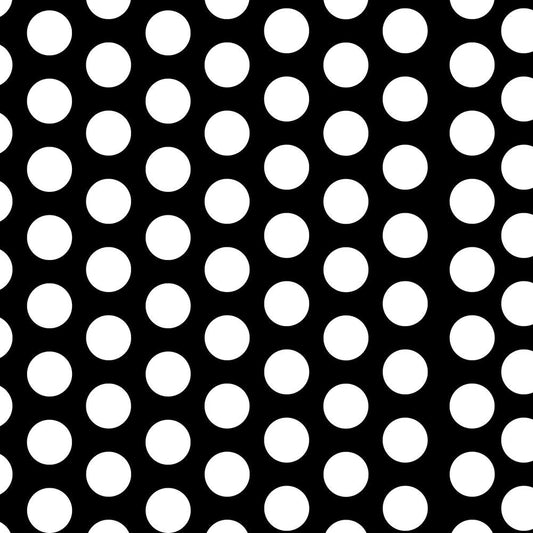
Perforated Galvanised Steel Sheet – Zinc-Coated, 9 Round Hole Patterns (R2mm to R20mm), 0.7mm to 2mm, 2m x 1m & 2.5m x 1.25m Sheets
Regular price From £77.99 GBPRegular price -
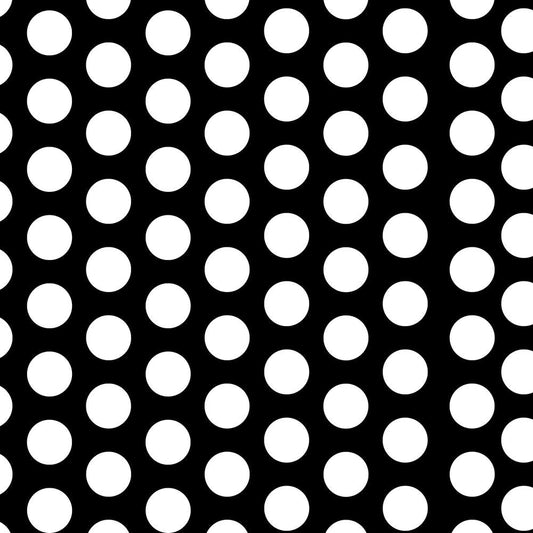
Perforated Aluminium Sheet – Lightweight Mill Finish, 5 Round Hole Patterns (R3mm to R10mm), 1mm & 1.5mm, 2m x 1m & 2.5m x 1.25m Sheets
Regular price From £107.99 GBPRegular price -
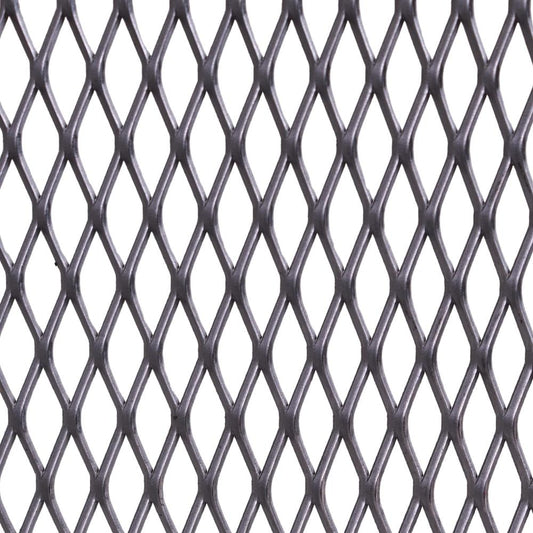
Expanded Metal Sheet – Galvanised, Mild Steel, Stainless & Aluminium Expanded Metal Mesh & Lath for Fencing, Screens, Guards & Infill
Regular price From £50.69 GBPRegular price -
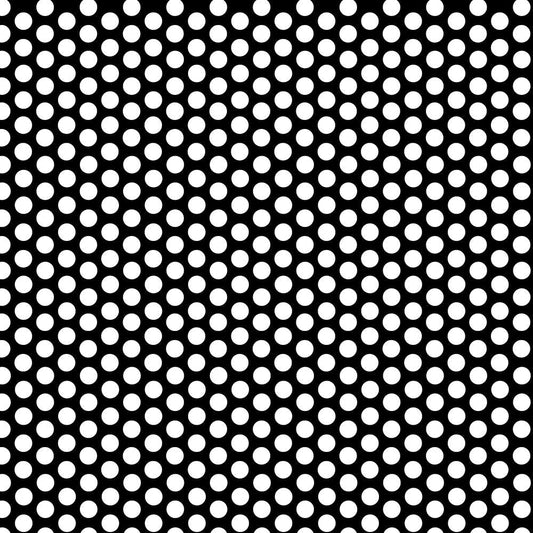
Perforated Mild Steel Sheet – 30 Round Hole Patterns (R0.8mm to R20mm), 0.5mm to 5mm, 2m x 1m & 2.5m x 1.25m Sheets
Regular price From £75.99 GBPRegular price




Perforated metal sheets with round hole patterns in mild steel, galvanised steel and aluminium, supplied in standard sheet sizes from UK stock. The range covers hole diameters from 0.8mm up to 20mm across more than 40 pattern and material combinations, with open areas from around 23% to over 50%, so there is a sheet to suit most screening, ventilation, guarding and decorative jobs.
Common applications include machine guards, radiator covers, speaker grilles, architectural screens, balcony infill panels, trailer floors and side panels, vehicle bodywork, ventilation panels, sign-board backing and decorative interior cladding. Material choice depends on whether the sheet will be exposed to weather, whether weight matters, and whether the sheet will be painted or left as-is.
How Perforated Sheet is Specified
Every perforated sheet is described by an R/T pattern code. R is the hole diameter in millimetres and T is the pitch — the centre-to-centre distance between adjacent holes. For example, R5/T7 means 5.0mm round holes at 7.0mm pitch. All patterns in this range use a staggered 60-degree triangular layout, which is the standard arrangement for round-hole perforated sheet because it gives the best balance of open area and material strength. The combination of hole size and pitch determines the open area — the percentage of the sheet surface that is open hole.
Materials Available
Three materials cover the range. Each suits different environments, budgets and finishing requirements:
- Mild steel — the widest pattern selection (30 patterns), lowest cost per sheet, strongest for a given thickness, but no corrosion protection as supplied. Suited to indoor use or jobs where the sheet will be primed and painted. Supplied as commercial-quality mild steel — cold-reduced CR4 (DC01) in the light gauges and hot-rolled S235JR in the heavier gauges.
- Galvanised steel — pre-galvanised mild steel with a zinc coating applied before perforation. Gives outdoor corrosion resistance without painting, at a moderate cost premium over bare mild steel. Nine patterns available. Manufactured to BS EN 10346.
- Aluminium — around one-third the weight of steel, naturally corrosion-resistant (no coating needed), and easy to cut and form. Costs more per sheet than mild steel but saves on handling, transport and finishing. Five patterns available in mill finish.
Mild Steel Perforated Sheet
The mild steel range is the largest, with 30 patterns covering hole sizes from 0.8mm to 20mm and thicknesses from 0.5mm to 5mm. Sheet sizes are 2 x 1m and 2.5 x 1.25m depending on pattern. Mild steel gives the highest strength for a given thickness and the lowest sheet cost, making it the default choice for machine guards, structural screens and any application where the sheet will be painted or powder coated after fitting. The trade-off is that bare mild steel has no corrosion protection, so it needs finishing for outdoor or damp environments. Material is commercial-quality mild steel — cold-reduced CR4 (BS EN 10130 / DC01) in the lighter gauges and hot-rolled S235JR (BS EN 10025) in the heavier 3mm and 5mm gauges — supplied for decorative and general fabrication and not CE/UKCA-marked for structural use.
Galvanised Steel Perforated Sheet
Galvanised perforated sheet uses pre-galvanised mild steel — the zinc coating is applied to the coil before the sheet is perforated and cut. This gives corrosion resistance for outdoor, agricultural and industrial applications without separate painting or galvanising. Nine patterns are stocked, covering the most common hole sizes from 2mm to 20mm in thicknesses from 0.8mm to 2mm. The zinc finish is a dull silver and can be left exposed or overcoated. Manufactured to BS EN 10346. Galvanised sheet typically costs 20-40% more than the equivalent mild steel pattern.
Aluminium Perforated Sheet
Five aluminium patterns are available in hole sizes from 3mm to 10mm, all at 1mm or 1.5mm thickness in mill finish. Aluminium weighs roughly a third of steel for the same sheet dimensions, which makes a significant difference on large panels, overhead installations and vehicle or trailer work where every kilogramme counts. The natural oxide layer protects against corrosion without any coating, so aluminium perforated sheet can be used outdoors with no further finishing. The mill finish suits architectural and decorative work. The trade-offs are lower strength than mild steel and a higher cost per sheet.
Open Area and What It Means
Open area is the percentage of the sheet surface that is hole rather than solid material. A higher open area means more airflow, more light transmission and less weight, but also less structural strength and rigidity. A lower open area gives a stronger, stiffer sheet with less visual transparency. Open areas in this range run from around 23% (the tighter patterns like R3/T6) up to around 53% (the more open patterns like R10/T13). Choosing the right open area depends on the job — ventilation panels and speaker grilles often need high open area, while machine guards and structural screens need more solid material.
Standard Sheet Sizes
Sheets are supplied in two standard sizes depending on the pattern: 2 x 1m and 2.5 x 1.25m. These are fixed manufacturing sizes. Standard sheets ship fast from UK stock. We can also supply cut-to-size and made-to-measure perforated sheet on request — or order a standard sheet and trim on site. Mild steel and galvanised steel can be cut with a jigsaw, nibbler or angle grinder with an appropriate disc. Aluminium cuts cleanly with standard metalworking tools.
Common Applications
Perforated sheet is used wherever you need a combination of airflow, visibility, drainage, or screening with structural support. Typical jobs include machine and equipment guards, radiator and heater covers, speaker and audio grilles, architectural cladding and decorative facades, balcony and staircase infill panels, trailer floors and vehicle body panels, agricultural screens and drying floors, sign-board backing, security screens, and ventilation panels in plant rooms and enclosures. Finer patterns (sub-3mm holes) suit decorative and acoustic work; larger holes (8mm and above) suit guarding, drainage and heavy screening.
Choosing the Right Material
Use mild steel for dry indoor work, anything that will be painted or powder coated, and applications where maximum strength matters more than corrosion resistance — it is the cheapest option and the widest range. Use galvanised steel for outdoor, damp, or unheated environments where you want corrosion resistance without the cost and weight saving of aluminium. Use aluminium where weight matters (vehicle and trailer work, overhead panels, large facade runs), where natural corrosion resistance is needed with no coating, or where the natural mill finish suits the look.
Delivery Information
Perforated metal sheets are delivered on a pallet to mainland UK addresses with a lead time of 3-5 working days. Aluminium sheets are lighter than steel, so handling on arrival is easier, but all perforated sheet deliveries are pallet-sized and require suitable site access for the delivery vehicle.
Bulk Orders
Trade and project pricing is available on orders of five or more sheets, multi-pattern orders, or full-project supply across materials. Contact us with the patterns, quantities and any specific requirements for a quote.
Shop Perforated Sheet by Material
Browse the full range by material: perforated mild steel sheet (30 patterns, lowest cost), perforated galvanised steel sheet (rust-resistant, 9 patterns) and perforated aluminium sheet (lightweight, 5 patterns). Need a bespoke size? We supply cut-to-size perforated sheet on request — contact us for a quote.