
Collection: Frameless Glass Balustrade

-
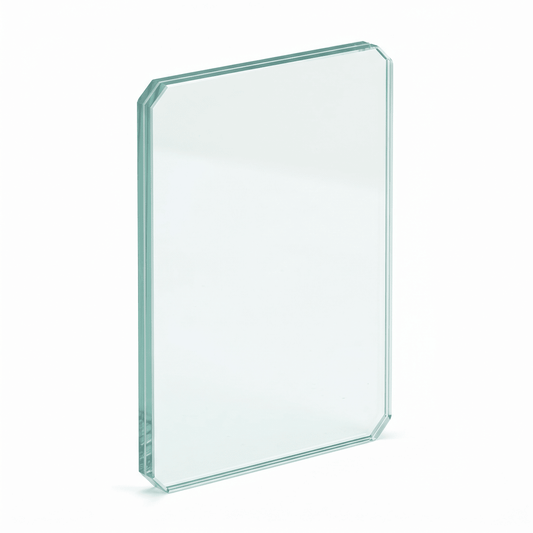
17.5mm Toughened Laminated Glass Panels – 1087mm High Balustrade Infill, Frameless Glass Balustrade for Stairs & Balconies
Regular price From £130.00 GBPRegular price -
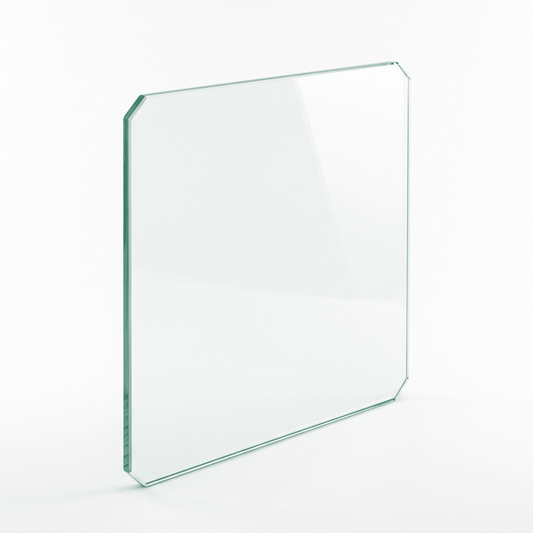
15mm Toughened Glass Panel – Clear Float Safety Glass to BS EN 12150, Toughened Glass for Balustrades, Balconies & Partitions
Regular price From £89.99 GBPRegular price -
Frameless Glass Balustrade Raw Kit 2.5m – Mill Finish Base Fix, Toughened Glass Balustrade System for Stairs & Balconies
Regular price From £188.00 GBPRegular price -
Frameless Glass Balustrade Kit 5.0m – Complete System, Toughened Glass Balustrade for Stairs, Balconies, Decking & Garden
Regular price From £416.00 GBPRegular price -
Frameless Glass Balustrade Kit 2.5m – Complete System, Toughened Glass Balustrade for Stairs, Balconies, Decking & Garden
Regular price From £220.00 GBPRegular price -
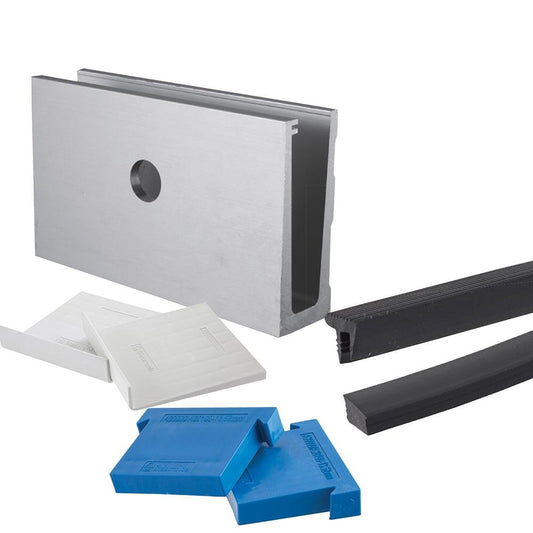
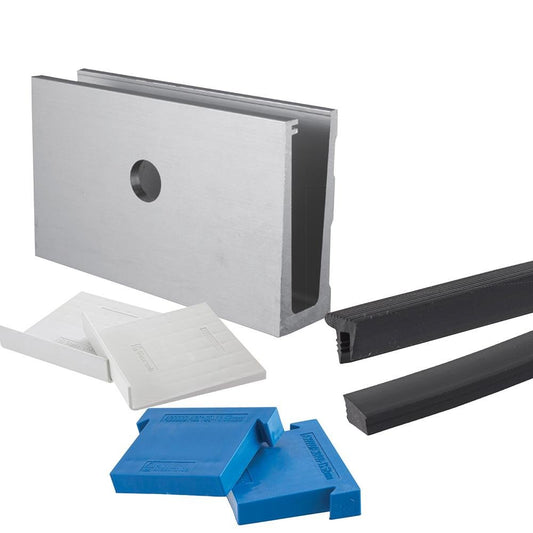
Frameless Glass Balustrade Gasket & Wedge Set 2.5m – Rubber Gaskets & Wedges for Glass Balustrade Channel Fixing
Regular price From £27.00 GBPRegular price -
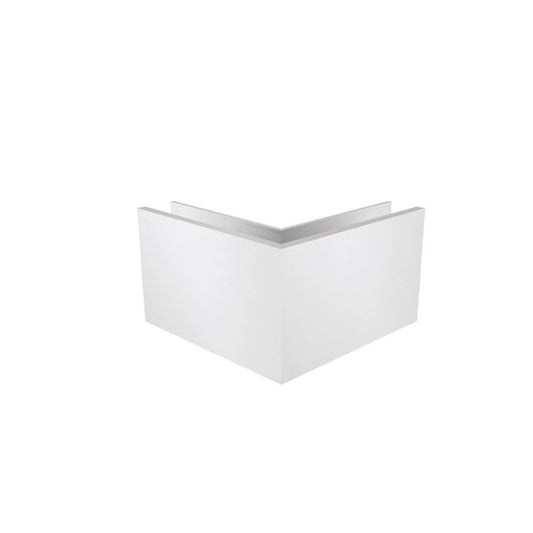
Frameless Glass Balustrade 90-Degree Corner Pieces – Corner Connectors for Glass Balustrade Channel Systems
Regular price From £41.00 GBPRegular price -
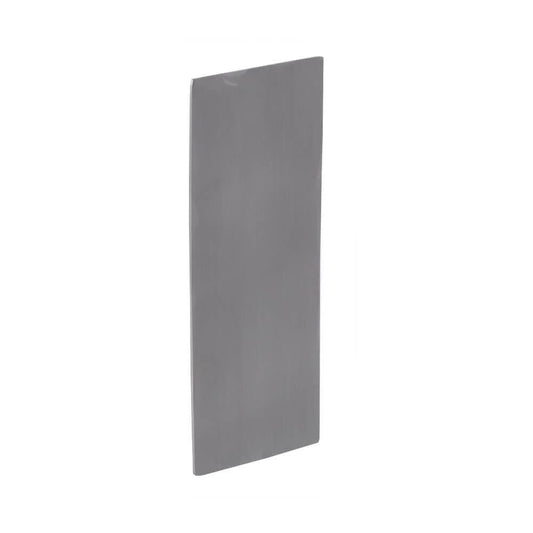
Frameless Glass Balustrade Channel End Caps – End Trims for Aluminium Glass Balustrade Channel Systems
Regular price From £2.00 GBPRegular price -
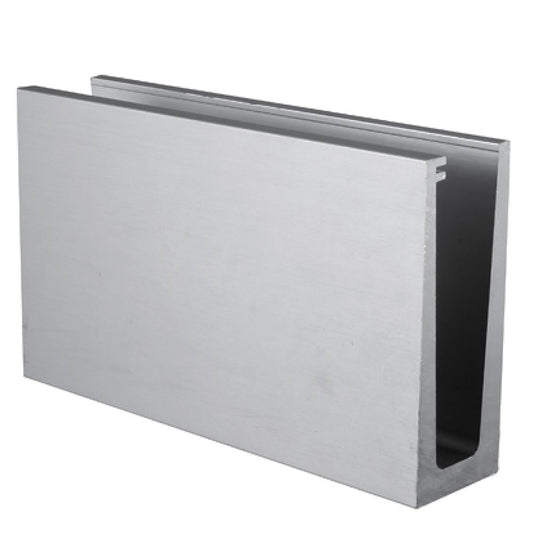
Frameless Glass Balustrade Aluminium Channel – Bare Base Channel for Glass Balustrade on Stairs, Balconies & Decking
Regular price From £165.00 GBPRegular priceUnit price £66.00/m -
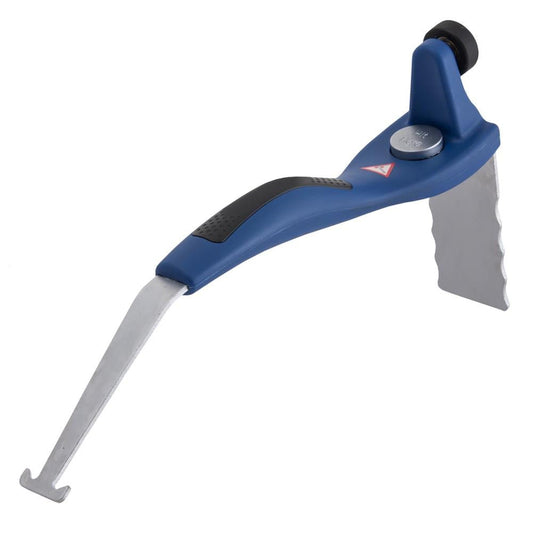
Frameless Glass Balustrade Accessories & Tools – Fixings, Setting Blocks & Tools for Glass Balustrade Installation
Regular price From £1.00 GBPRegular price -
21.5mm Toughened Laminated Glass Panels – Heavy-Duty Balustrade Infill, Frameless Glass Balustrade for Stairs, Balconies & Decking
Regular price From £140.00 GBPRegular price -
12mm Toughened Glass Panels – Balustrade Infill 1087mm High, Frameless Glass Balustrade Panels for Stairs, Balconies & Decking
Regular price From £71.00 GBPRegular price











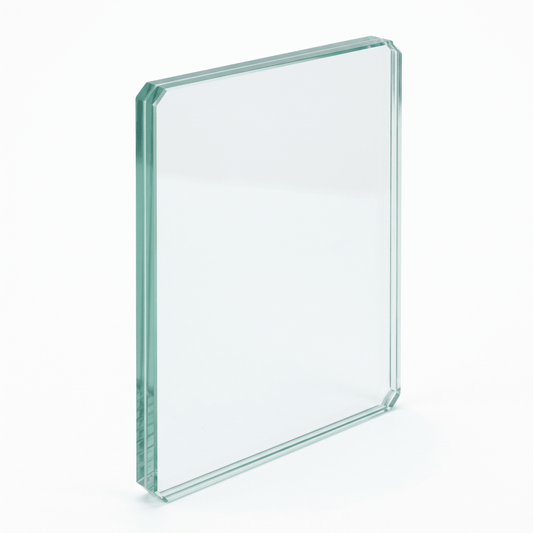

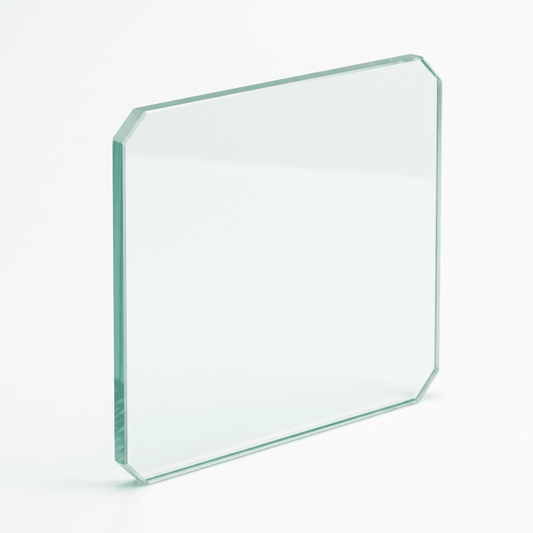
Frameless glass balustrade gives you a clear, post-free barrier for stairs, landings, balconies and decking, with the glass held in a continuous aluminium channel rather than fixed between posts or spindles. It suits anyone who wants an unobstructed view and a clean modern edge, from self-builders and decking installers to commercial fit-out contractors. Rackerman supplies the channel, glass and fixings as complete kits or as individual components, so you can buy a full run or just the parts you need.
Typical jobs include staircase and landing barriers, internal mezzanine edges, external balconies, Juliet balconies, roof terraces and raised timber or composite decking. Frameless systems are chosen where a glass-only look is wanted with no top handrail and where daylight and sightlines matter, but that look carries specific glass and loading requirements that are covered below.
Shop Frameless Glass Balustrade by Component
Complete kits — channel, gaskets, wedges, end caps and fixings in one purchase (you add the glass):
- Glass balustrade kit 2.5m — complete straight-run kit
- Glass balustrade kit 5.0m — twice the coverage, better value per metre
- Raw kit 2.5m — mill-finish base-fix channel and fixings where you supply the glass
Channel & fittings — buy individually to extend a run, turn a corner or replace a part:
- Aluminium base channel — bare channel, 2.5m or 5m, base or side fix
- 90° corner pieces — join channel runs at a return
- Channel end caps — close off the ends of a run
- Gasket & wedge set — rubber gaskets and tapered wedges to grip and plumb the glass
- Accessories & tools — fixings, setting blocks and installation tools
Glass infill panels — toughened and toughened-laminated safety glass:
- 12mm toughened & 15mm toughened — framed infill with a handrail
- 17.5mm & 21.5mm toughened laminated — sole-barrier frameless work
- See the full toughened glass panels range, including 10mm, cut to size.
Overview of Frameless Glass Balustrade
A frameless system holds the glass along its full bottom edge in an aluminium channel, so the glass itself acts as the barrier with no intermediate posts. The glass is plumbed and gripped using rubber gaskets and tapered wedges set inside the channel, which lets you fine-tune the lean and lock each pane in place. Because the load path runs through the base fixing rather than a post framework, the channel, its fixings and the glass makeup all have to be matched to the barrier height and the line load for the use.
What a Frameless Balustrade System Includes
A complete run is built from a small set of components, available together as a kit or separately:
- Aluminium base or side channel (mill finish, ready for anodising or powder coating)
- Toughened or toughened laminated glass panels
- Rubber gaskets and tapered wedges to grip and plumb the glass
- Channel end caps to close off the ends of a run
- 90-degree corner pieces to join channel runs at a return
- Complete 2.5m and 5.0m kits with channel, glass, gaskets and fixings supplied together
Glass Thickness and Makeup
Glass selection is driven by panel height, the line load for the use, and whether the glass is the sole barrier. The options below are a general guide, not a structural specification. Browse all thicknesses in our toughened glass panels range.
| Glass | Type | Typical use |
|---|---|---|
| 10mm | Toughened (monolithic) | Lower loads, shorter panels, stock-size infill |
| 12mm | Toughened (monolithic) | Common domestic balustrade infill |
| 15mm | Toughened (monolithic) | Taller panels and higher line loads |
| 17.5mm | Toughened laminated (8.8.4) | Sole-barrier domestic and light commercial |
| 21.5mm | Toughened laminated (10.10.4) | Heavy-duty and higher commercial loadings |
Monolithic panels are manufactured to BS EN 12150 and laminated panels to BS EN 14449, with safety classification to BS EN 12600.
Toughened Glass vs Toughened Laminated Glass
Toughened glass is heat-treated so it is far stronger than annealed glass and breaks into small blunt fragments. Toughened laminated glass bonds two toughened panes with a structural interlayer, so if one pane breaks the other still holds the barrier in place. Under BS 6180, laminated glass should be used where the glass is the only barrier with no handrail capable of retaining people if it fails. That covers most genuinely frameless installations, which is why the 17.5mm and 21.5mm laminated panels are specified for sole-barrier work. Monolithic toughened can be acceptable where a continuous top handrail is fitted that retains people independently of the glass.
Aluminium Channel and Fixing Methods
The channel is the structural base of the system and is supplied in mill finish ready to anodise or powder coat. It is fixed in one of two ways. Base-fix (top-mounted) sits on the surface of the floor, deck or landing and bolts down through the base. Side-fix (fascia-mounted) bolts to the vertical edge of a balcony or floor slab, which keeps the top surface clear and is common on external balconies. The fixing method, substrate and fixing centres all affect the load the channel can carry, so they must be matched to the barrier loading.
Complete Kits vs Individual Components
The 2.5m and 5.0m complete kits bundle the channel, glass, gaskets, wedges and fixings for a finished run, which is the quickest route for a single straight span. The raw kit supplies the base-fix channel and fixings in mill finish where you are sourcing or already hold the glass. Bare channel, individual glass panels, gasket and wedge sets, end caps and corner pieces are all available on their own to extend an existing run, turn a corner, or replace a part.
Barrier Heights and Building Regulations
Barrier height is set by Building Regulations, not preference. Under Approved Document K the usual minimums are 900mm for stairs and landings in dwellings and 1100mm for balconies and the edges of internal floors, with different figures for other building types and uses. Required heights and loadings should always be confirmed against the current Approved Document K and BS 6180 with your building control body before ordering, because the panel height and glass makeup are selected to suit the finished height and the fixing system.
Loadings and Glass Selection
Barriers are designed to a horizontal line load applied at the top of the glass, taken from BS EN 1991-1-1. Domestic edges typically use a lower load, while areas susceptible to crowding use significantly higher figures. The combination of line load and panel height determines the glass thickness and whether laminated glass is required, so the values in the thickness table are a starting point rather than a sign-off. For anything safety-critical, have the glass specification checked against the actual line load for the use.
Installation Notes
The channel can be cut to length on site with a fine-tooth blade and is drilled for fixings to suit the substrate and required centres. Glass is bedded on the supplied gaskets and locked plumb with the tapered wedges, working along the run to keep adjacent panels level and aligned. Toughened and laminated glass cannot be cut, drilled or notched after manufacture, so all panel sizing and any cut-outs are completed before the glass is toughened. Non-stock sizes are therefore made to order.
Care and Maintenance
Glass needs only routine cleaning with a soft cloth and a non-abrasive glass cleaner; avoid abrasive pads that scratch the surface. Inspect the gaskets and wedges periodically and check fixings remain tight, particularly on external runs exposed to weather and temperature movement. Anodised or powder-coated channel should be wiped down to remove salt and grime in coastal or high-traffic locations to protect the finish.
Bulk Orders
Volume pricing is available on multi-run orders, full-project supply and trade accounts across channel, glass and kits. Contact us with the run lengths, glass makeup and quantities for a tailored quote.